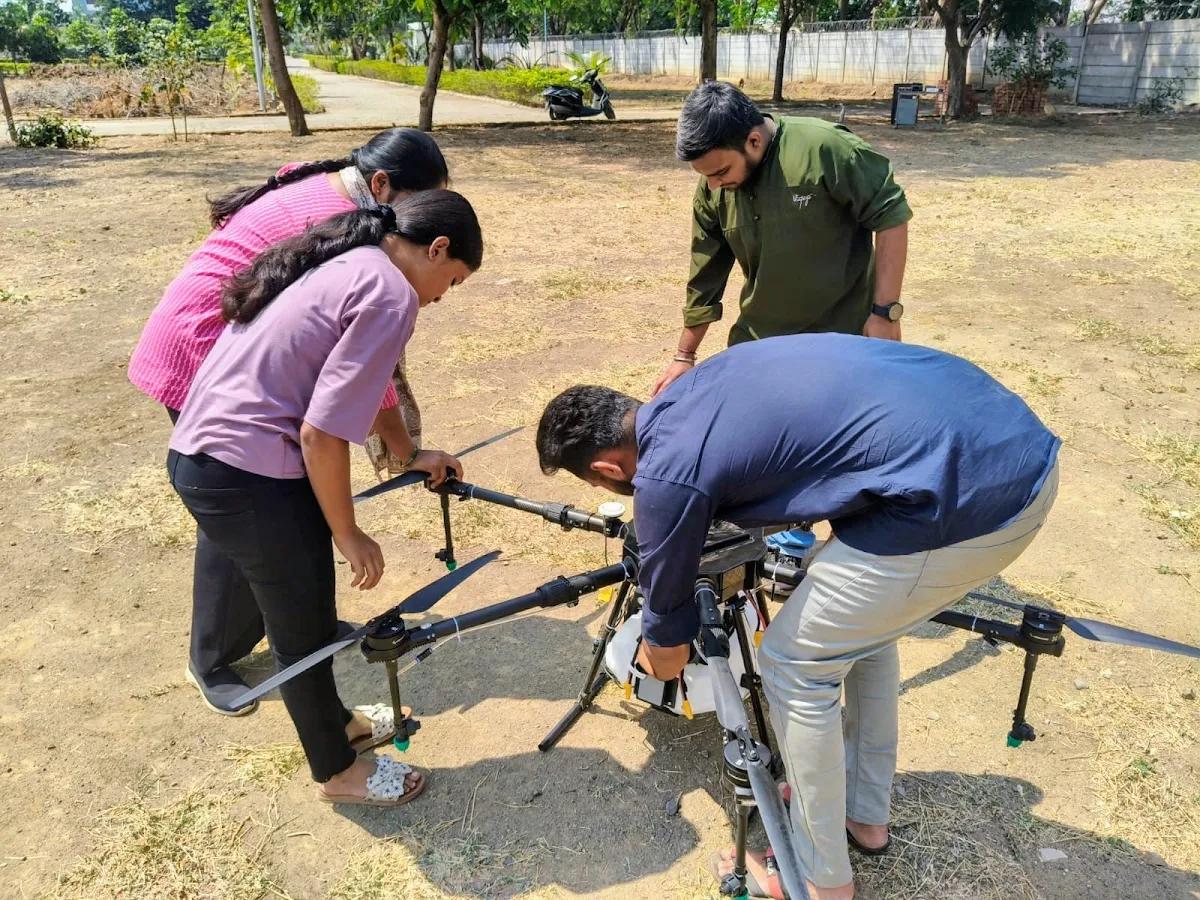
- Small Class certification covers drones from 2 kg to 25 kg—including agriculture spraying, aerial mapping, inspection, and light logistics platforms.
- Complete the 5-day DGCA-approved programme at Vymanika Aerospace RPTO, CAET Campus, Dediyapada, Gujarat, and earn a Remote Pilot Certificate valid for 10 years.
- Open to anyone aged 18–65 with a 10th-pass qualification—no engineering degree or prior flying experience required, with stay, daily meals, local transport, and placement support included.
Want to Fly Drones for a Living? Start With the Small Class Licence
A few years ago, a drone was something you saw at weddings or in movies. Today it is spraying crops in Saurashtra, mapping construction sites in Surat, inspecting power lines and carrying small deliveries. Behind every one of these drones there is a trained, certified pilot. Demand for those pilots is growing faster than the supply.
If you have been thinking about a career in this field, the DGCA Certified Small Class Drone Pilot Training Course (2 kg to 25 kg) is the best place to begin. It is the most in demand drone licence in India, and at Vymanika Aerospace you can earn it in just five days.
This guide covers what the course is, who can join, what you will learn each day and where it can take you.
What Is "Small Class" Drone Certification?
The Directorate General of Civil Aviation (DGCA) groups drones by weight. The Small Class covers drones from 2 kg up to 25 kg. That range includes most of the machines you see doing real work every day:
- Agriculture spraying drones
- Aerial mapping and survey drones
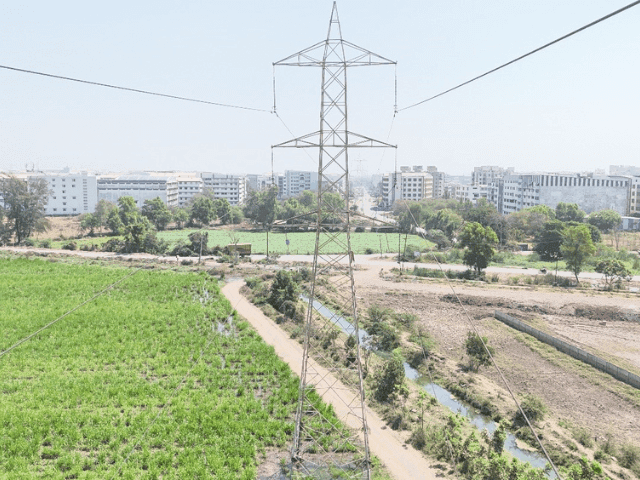
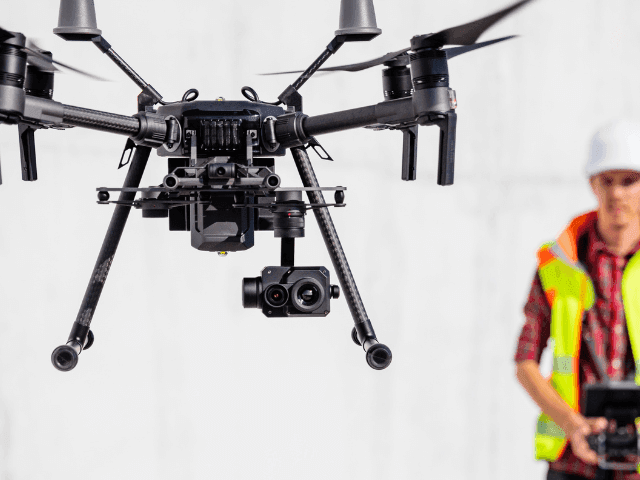
- Inspection drones for towers, solar plants and infrastructure
- Light logistics and delivery drones
- Professional photography and videography drones
Why Legal Certification Matters
If you want to operate drones in this weight range legally, you need a Remote Pilot Certificate from a DGCA-approved Remote Pilot Training Organisation (RPTO). Flying without one is not just risky. It can also bring legal trouble, and no serious client will hire an uncertified pilot.
Why Train With Vymanika Aerospace?
Choosing a training institute matters more than most people realise. A weak course gives you a certificate. A good one gives you the confidence to handle a real drone in real conditions.
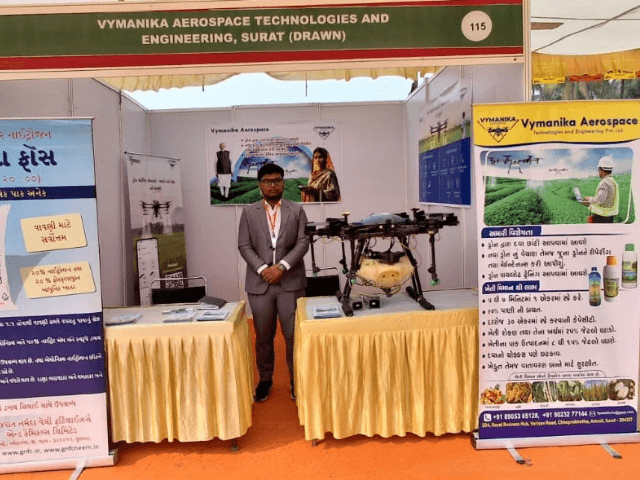
Vymanika Aerospace is Gujarat’s first and only DGCA-approved Medium Class RPTO, and we are also a licensed drone manufacturer and service provider based in Surat. We don’t only teach drones. We build them, repair them and fly them commercially every day. Here is what that means for you:
So you learn from people who work with these machines every day, not just from a textbook. If you later want to move up to bigger aircraft, you can continue with our DGCA Certified Medium Class Drone Pilot Training Course (25 kg to 50 kg) at the same institute.
- 15,000+ villages covered through drone demonstrations
- 85,000+ acres of farmland sprayed successfully
- 350+ students trained and certified
Course at a Glance
Key programme details for Vymanika Aerospace’s DGCA Certified Small Class Drone Pilot Training Course:
- Course name: DGCA Certified Small Class Drone Pilot Training Course
- Drone category: Small Class (2 kg to 25 kg)
- Duration: 5 days
- Certificate validity: 10 years
- Training mix: Classroom theory, simulator practice, real flying
- Location: Vymanika Aerospace RPTO, CAET Campus, Dediyapada, Gujarat
Who Can Join?
The eligibility rules are simple, which is one reason this course attracts such a wide mix of people:
You don’t need an engineering degree or any earlier flying experience. Our batches usually include fresh students, farmers, young entrepreneurs, photographers, retired professionals and people switching careers.
- Age: 18 to 65 years
- Education: At least 10th pass from a recognised board
- Documents: A valid government-issued photo ID
- Fitness: Medically fit to operate a drone
Day-by-Day: What You Will Actually Learn
Five days is a short time, so every day is planned carefully. Here is how the course runs.
Day 1 — The Foundation: You begin with the rules and the science. You learn how DGCA drone regulations work, how airspace is classified (which areas you can fly in and which you can’t) and the basics of flight and aerodynamics. You also get an introduction to air traffic control coordination and radio-telephony procedures, plus an overview of multi-rotor and fixed-wing drones. It may sound heavy, but we teach it in plain language with practical examples. Once you understand why the rules exist, they are much easier to remember.
Day 2 — Weather, Safety and Your Machine: Day 2 moves closer to real field conditions. You study how wind, rain, temperature and visibility affect a drone in the air, which is a lesson many new pilots learn the hard way. You also learn drone servicing and battery care, how to handle emergencies and contingencies, and how to work with onboard cameras and sensors. The day ends with flying practice after dark, which most basic courses skip.
Day 3 — Theory Exam and Simulator Training: This is the day you formally show what you have learned. You sit the DGCA theory examination, then move to structured simulator missions and supervised lab practicals. A simulator lets you make mistakes safely. If you crash a virtual drone, you lose nothing, and you learn a lot.
Day 4 — Mission Planning and Live Flying: Now you move from the screen to the sky. You continue simulator work with mission-planning exercises, learning how to plan a flight, check your route and think through risks before takeoff. Then you start live flying practice with an instructor beside you.
Day 5 — Final Flying and Skill Test: The last day is a supervised flying session followed by the on-ground skill test. Clear it, and you earn your Remote Pilot Certificate.
What You Take Home
By the end of the course you will have:
Accommodation, meals and transport are included, so you can focus on learning without worrying about logistics.
- A government-recognised Remote Pilot Certificate valid for 10 years
- Legal clearance to operate Small Class drones anywhere in India
- Real flying hours on industry-grade training drones, not toy models
- Comfortable stay, daily meals and local pick-and-drop during the course
- End-to-end placement support once you are certified
Career Paths After the Course
A pilot certificate opens several doors, and the demand behind them is real.
If you want to go deeper in one direction, Vymanika also offers specialised programmes in agriculture drone spraying, drone technician training and drone mapping and surveying. Many students take the Small Class course first and then add one of these to build a stronger profile.
- Precision agriculture — Drone spraying saves water, time and labour, and farmers across India are adopting it quickly. Trained pilots are needed to run these services.
- Aerial surveys and mapping — Construction firms, land developers and government projects use drones to survey ground that would take weeks to cover on foot.
- Inspection services — Drones can check towers, solar farms, pipelines and rooftops safely, without sending people up to dangerous heights.
- Drone logistics — Short-distance delivery is still early, but it is growing, and certified pilots will be at the centre of it.
- Your own business — Many of our students don’t take jobs at all. They buy a drone, offer spraying or photography services in their area and build a business of their own.
Tips to Get the Most Out of Your 5 Days
Follow these practical habits during training to graduate with real field confidence:
- Pay attention in the theory sessions. Rules and weather knowledge are what keep you out of trouble later.
- Ask questions freely. Our trainers would rather answer a hundred questions than watch someone guess in the air.
- Treat the simulator seriously. The habits you build there carry over to real flying.
- Practice the pre-flight checks until they become automatic. Most drone accidents come from skipped checks, not bad flying.
- Think about your goal. Whether it is farming, mapping or photography, tell your trainers. They can point you towards the right next step.
Ready to Take Off?
Drones are no longer a future technology. They are already working in our fields, our cities and our industries, and they need skilled, certified people to run them. The Small Class course is the fastest and most practical way to become one of those people.
Enrol with Vymanika Aerospace today and start your drone career in just five days.
- Phone: +91 9023277144 | +91 9558529493
- Email: vymanikaaerospace@gmail.com
- Website: www.vymanikaaerospace.com
- Training location: Vymanika Aerospace RPTO, CAET Campus, Dediyapada, Gujarat
- Corporate office: 3rd Floor, 349, Exxoniic Mall, near Mahavir Sanskar Dham, Iscon Temple Road, Jahangirpura, Surat, Gujarat 395005
Frequently Asked Questions
How long is the Small Class drone pilot course?
It is a 5-day course combining classroom theory, simulator training and supervised real flying.
What weight of drones does this certificate cover?
Drones from 2 kg to 25 kg, which includes most agriculture, mapping and inspection drones in use today.
How long is the certificate valid?
The Remote Pilot Certificate is valid for 10 years.
What is the minimum qualification?
A 10th-class pass certificate from a recognised board. You must also be between 18 and 65 years old, hold a valid government ID and be medically fit to fly.
Do I need any prior drone experience?
No. The course starts from the basics and builds up to real flying.
Is accommodation provided?
Yes. The course includes an on-site stay, daily meals and local pick-and-drop.
Will I get help finding work after certification?
Yes. We offer end-to-end placement support after you are certified.
Where is the training held?
At the Vymanika Aerospace RPTO, CAET Campus, Dediyapada, Gujarat.